
 AC repair
 Furnace & heating
 Heat pumps
 Ductless mini splits
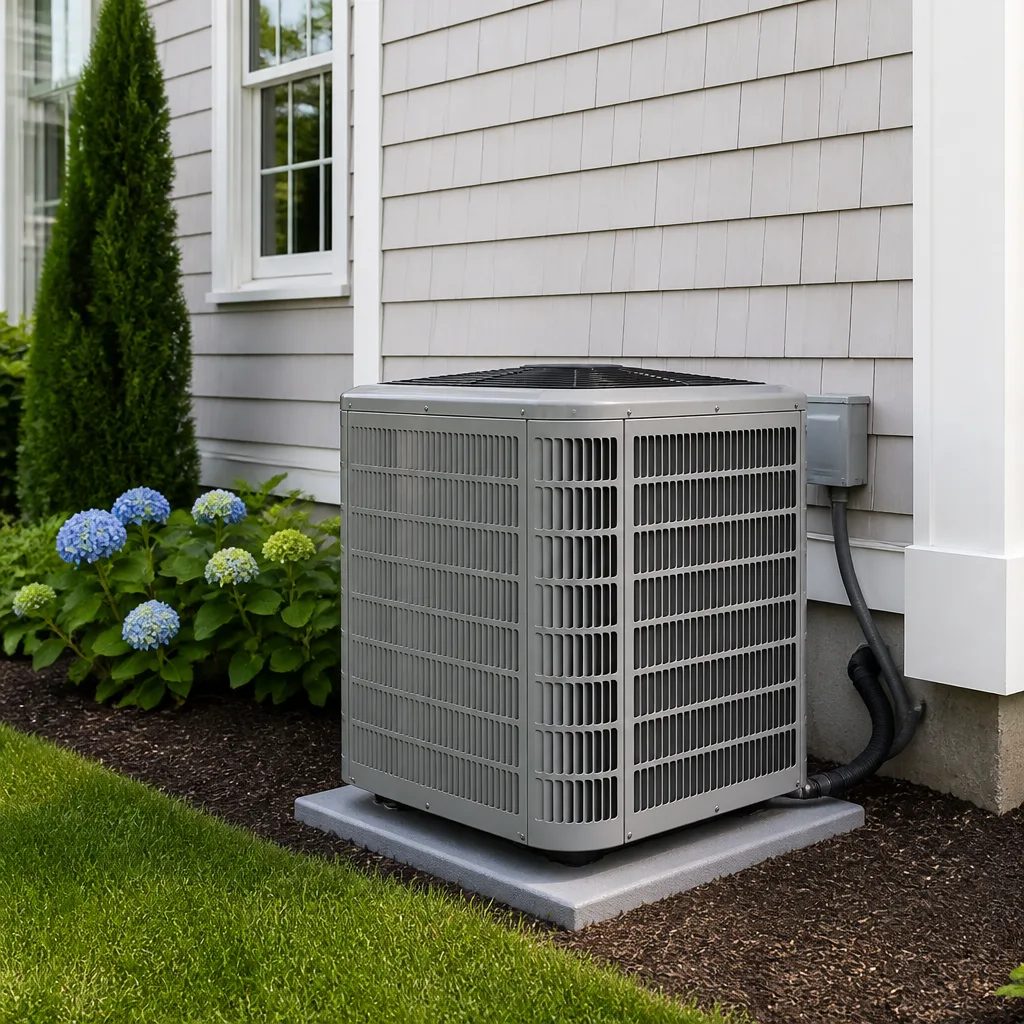 Carrier
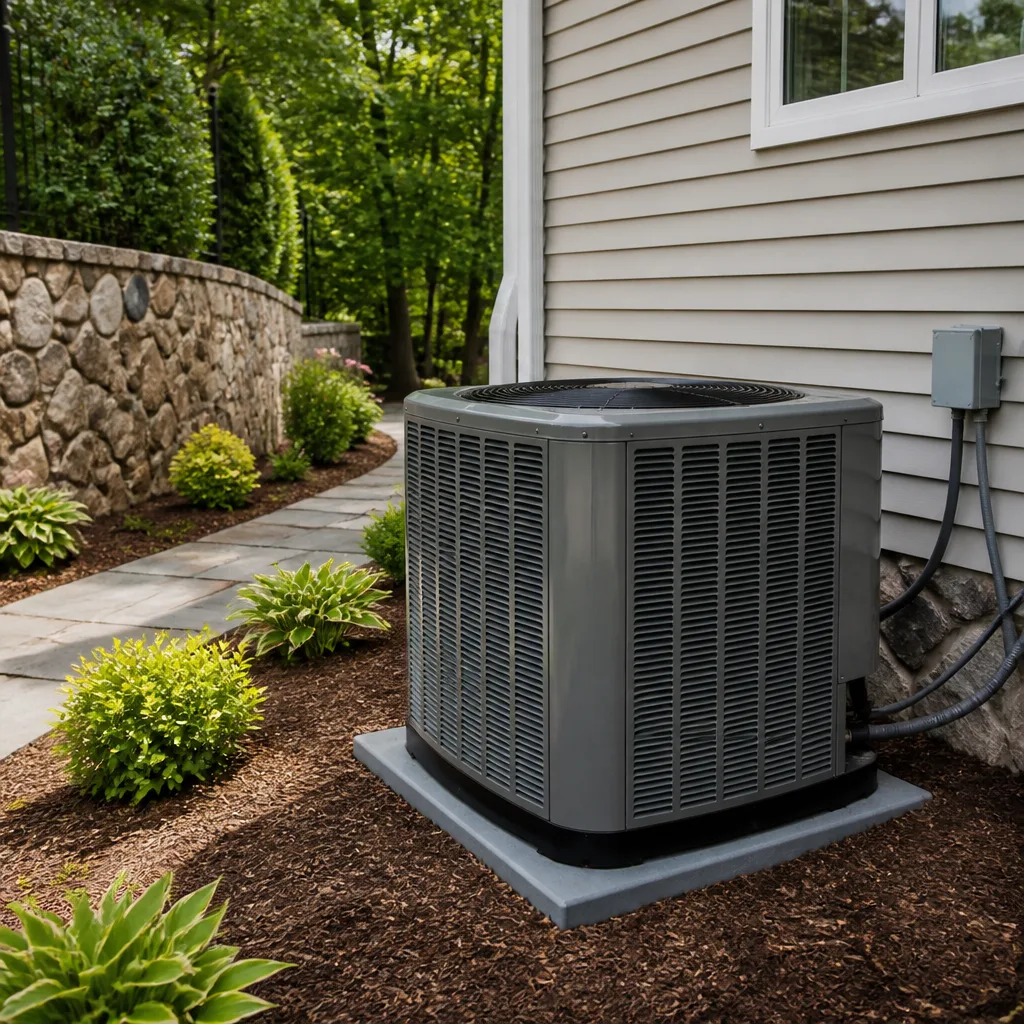 Trane
Trane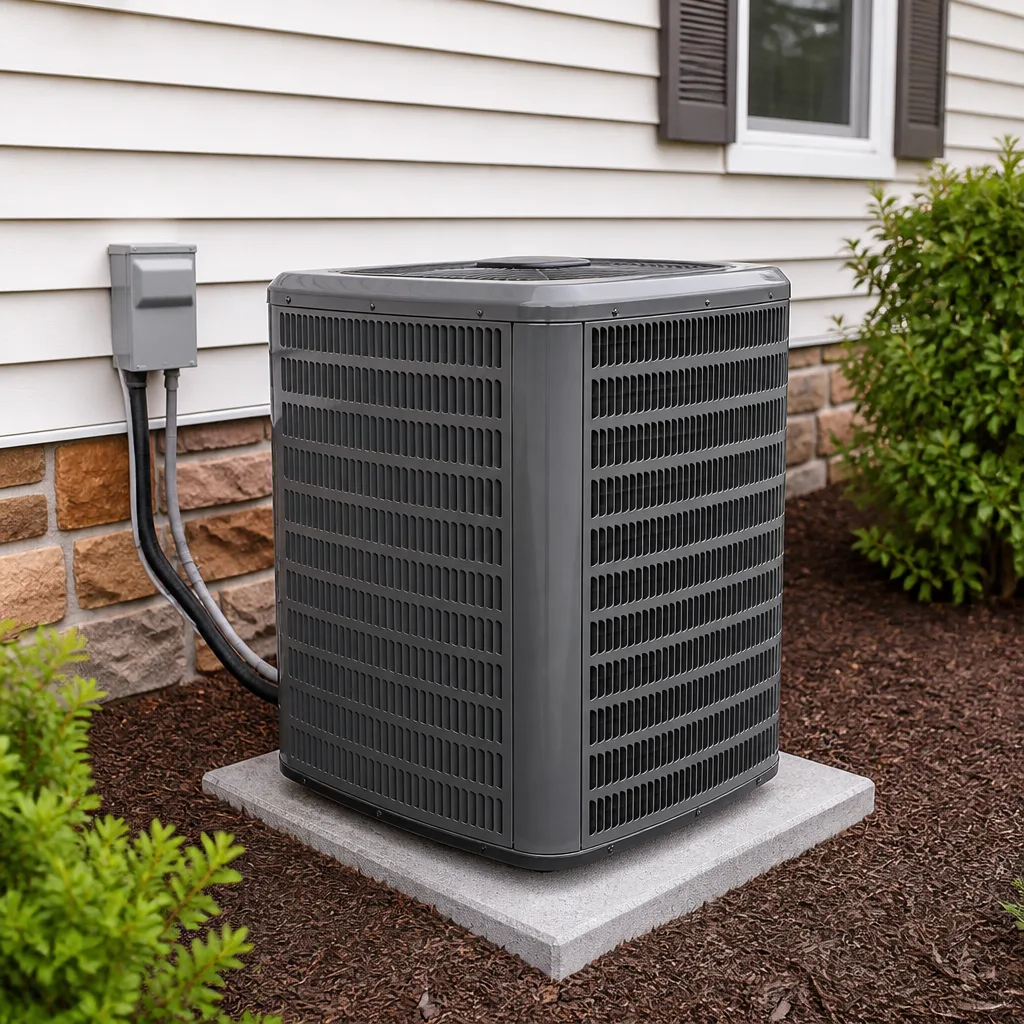 Goodman
Seasonal tune-up and full diagnostic on your Carrier, Trane, or Goodman system - readings shown to you before any repair is proposed
Diagnosis first, numbers second - you approve the repair price before a single part goes in.
Get your free estimateAmerican Standard Ductwork Repair: The Miami Owner’s Guide
American Standard ductwork repair in Miami typically runs $175 to $765 installed, depending on whether we’re sealing a loose joint, replacing a crushed or mold-damaged section, or re-hanging duct runs that have sagged in attic heat. Most repairs are done same-day because we stock flex duct, mastic, foil tape, collars, and takeoffs on the truck. You’ll usually discover the problem the same way: one room that never cools right, a sudden jump in your FPL bill, or that faint musty smell when the blower kicks on.
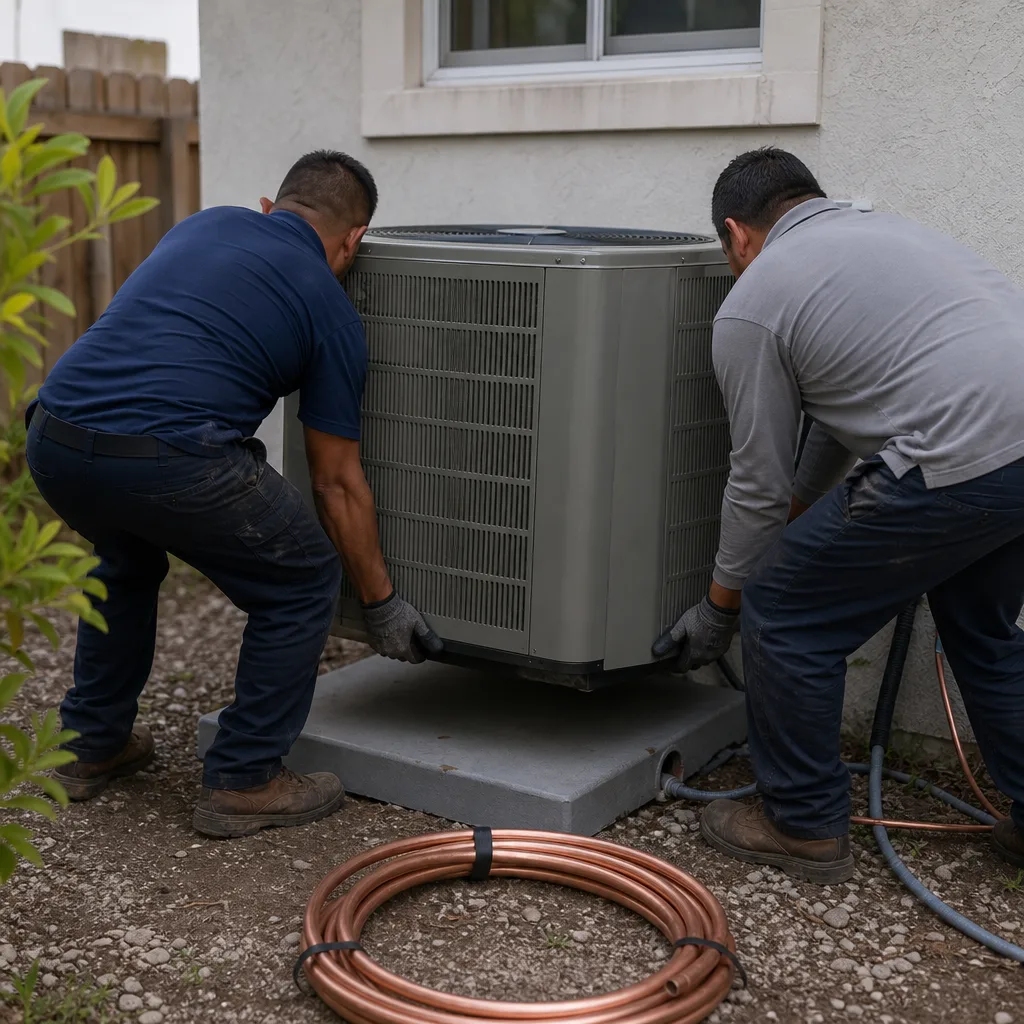
Ductwork problems rarely announce themselves loudly. They erode comfort quietly. A bedroom that’s five degrees warmer than the living room. Dust accumulating faster than it should. A system that runs constantly but never satisfies the thermostat. In Miami’s humidity, duct issues also invite condensation problems, and condensation problems become mold problems faster than most homeowners expect.
Before we touch anything, we measure static pressure and inspect the full duct path, because replacing a duct section without understanding why it failed is how you end up paying twice. Victor Mancini insists on this: diagnose the whole system, not just the symptom.
Which American Standard Models This Applies To
American Standard doesn’t manufacture its own ductwork, but the duct design and sizing are matched to the air handler or furnace’s CFM output. So ductwork repair applies to every American Standard system in service: the Silver, Gold, and Platinum series air handlers, the S9V2 and S9X2 furnaces, and the Allegiance and Silver series condensers paired with them. The ductwork is the distribution network for whatever those units push.
Here’s the compatibility gotcha most Miami homeowners never hear about: duct sizing is tied to the system’s airflow requirement, not the brand. A 3-ton American Standard air handler needs roughly 1,200 CFM of airflow, which means properly sized trunks and branches. If a previous contractor patched in a smaller duct section because it was cheaper, your system has been strangled for years. We measure rather than assume. The equipment label on the air handler gives the model and tonnage, and we match the duct spec to that number, not to whatever was already hanging in the attic.
On the OEM-versus-aftermarket question for duct components: most duct material isn’t brand-labeled anyway. We use rigid and flex duct rated for South Florida attic conditions, galvanized takeoffs, and mastic that stays pliable in attics that hit 130 degrees in July. The important thing isn’t the name on the box. It’s the R-value of the insulation and whether the previous install used enough of it.
Styles & brands we work with
Signs Your American Standard Ductwork Is Failing
- One room that never reaches the temperature on the thermostat. A disconnected or crushed branch duct starves that room first. The rest of the house cools fine, which is why this gets ignored for months.
- The blower runs, but airflow from your registers is weak. Sagging flex duct, collapsed sections, or a return that’s pulling attic air instead of house air will all choke airflow. Your American Standard system is working, but the air isn’t getting where it belongs.
- Your electric bill climbed without a change in your habits. Leaky ducts can waste 20 to 30 percent of conditioned air. In Miami, that’s money blowing into the attic every single afternoon.
- You smell something musty or stale when the AC starts. Humidity condenses on ducts that aren’t sealed or insulated properly, especially in Miami’s wet season. That moisture feeds mold on the duct exterior lining.
- Dust is showing up faster on furniture and return grilles. Gaps and tears pull attic air and insulation fibers into the supply stream. Your filter catches some of it, but not all.
See the difference
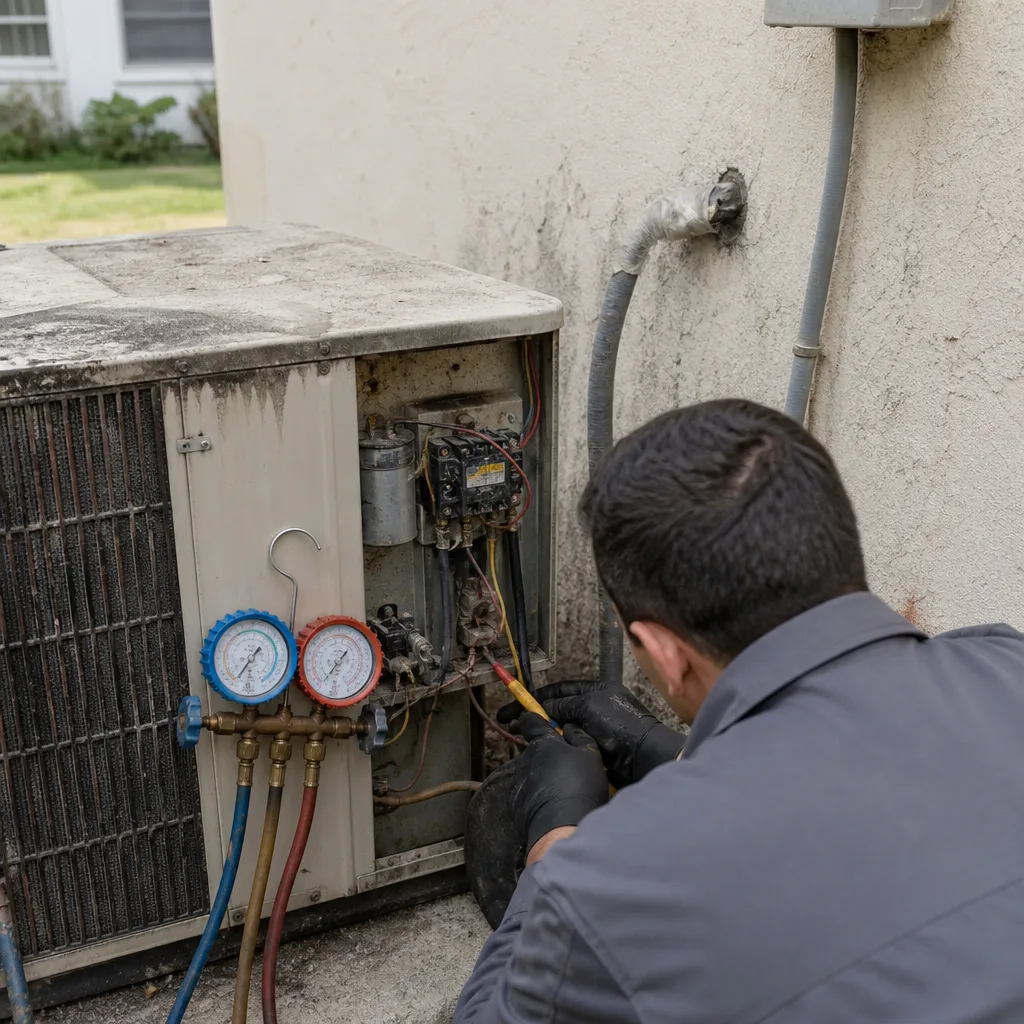 Before
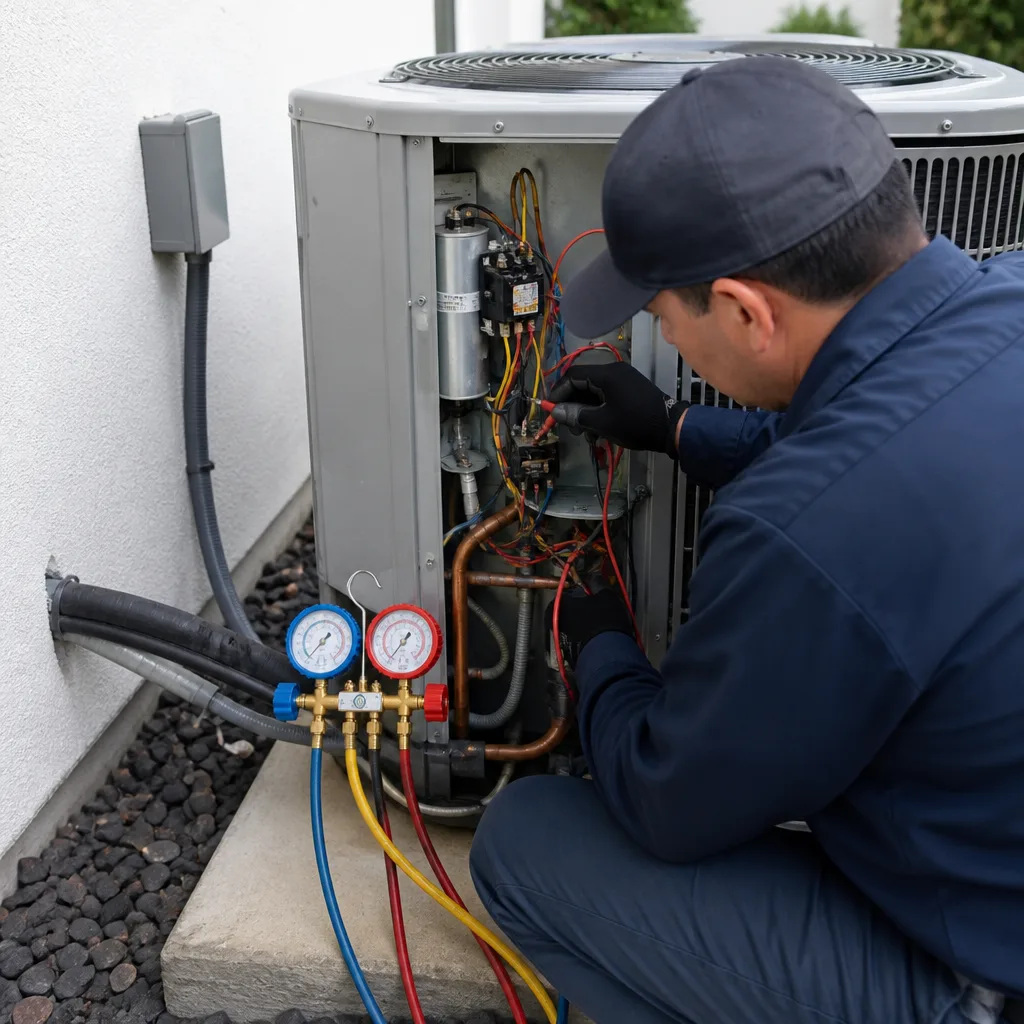 After
After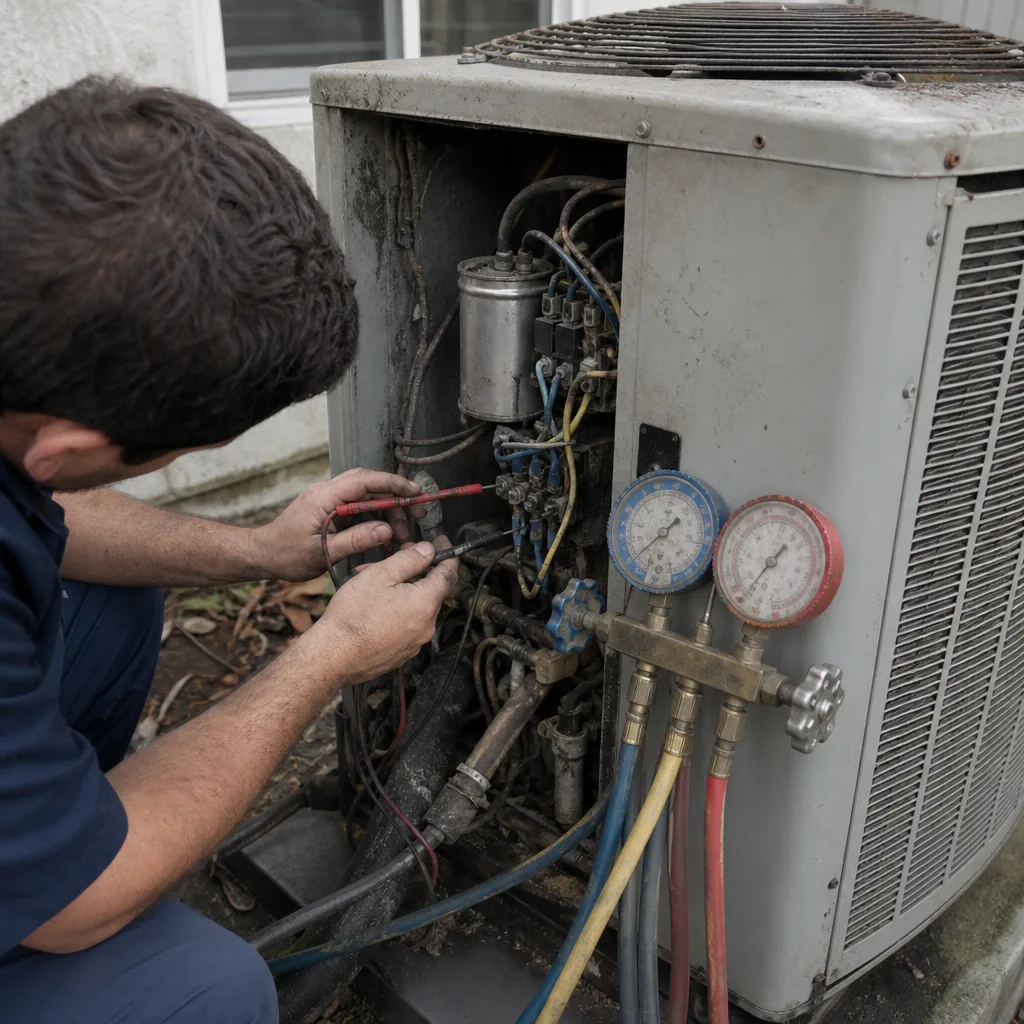 Before
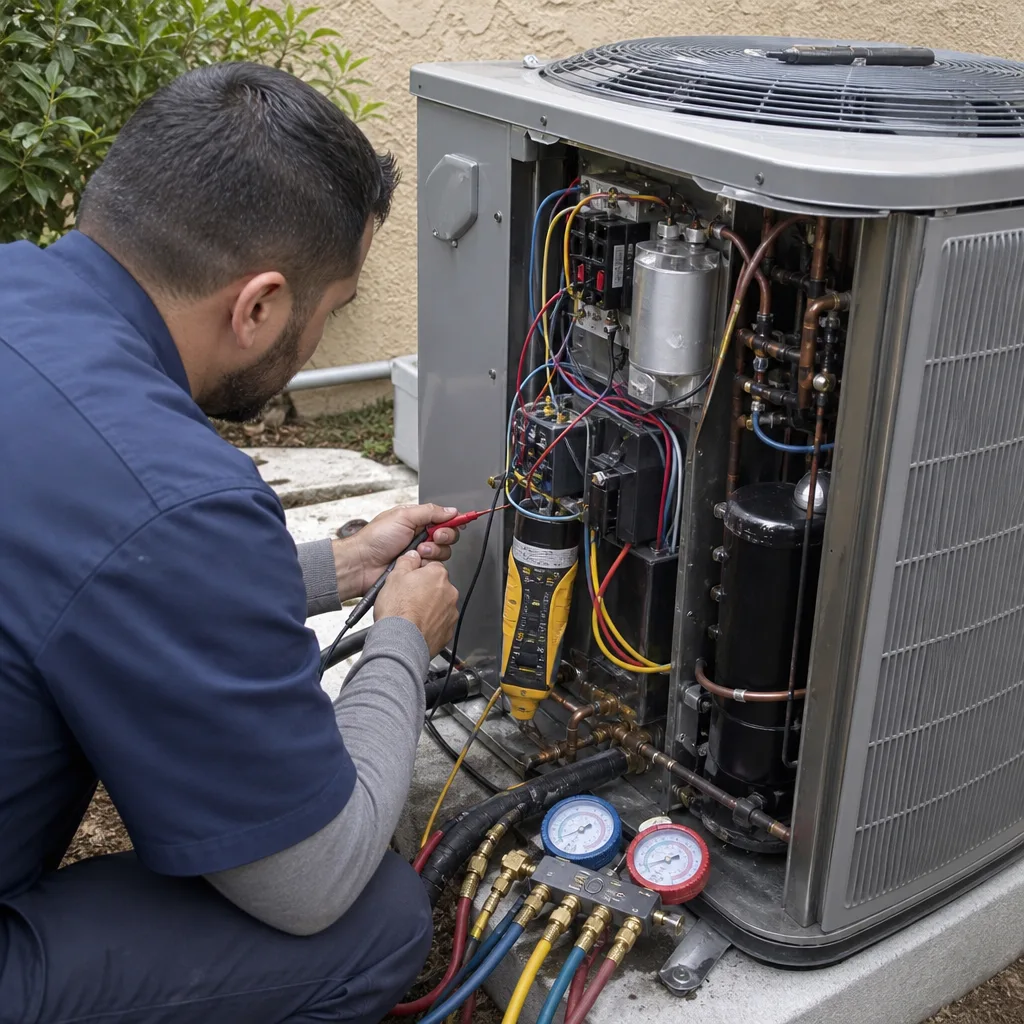 After
After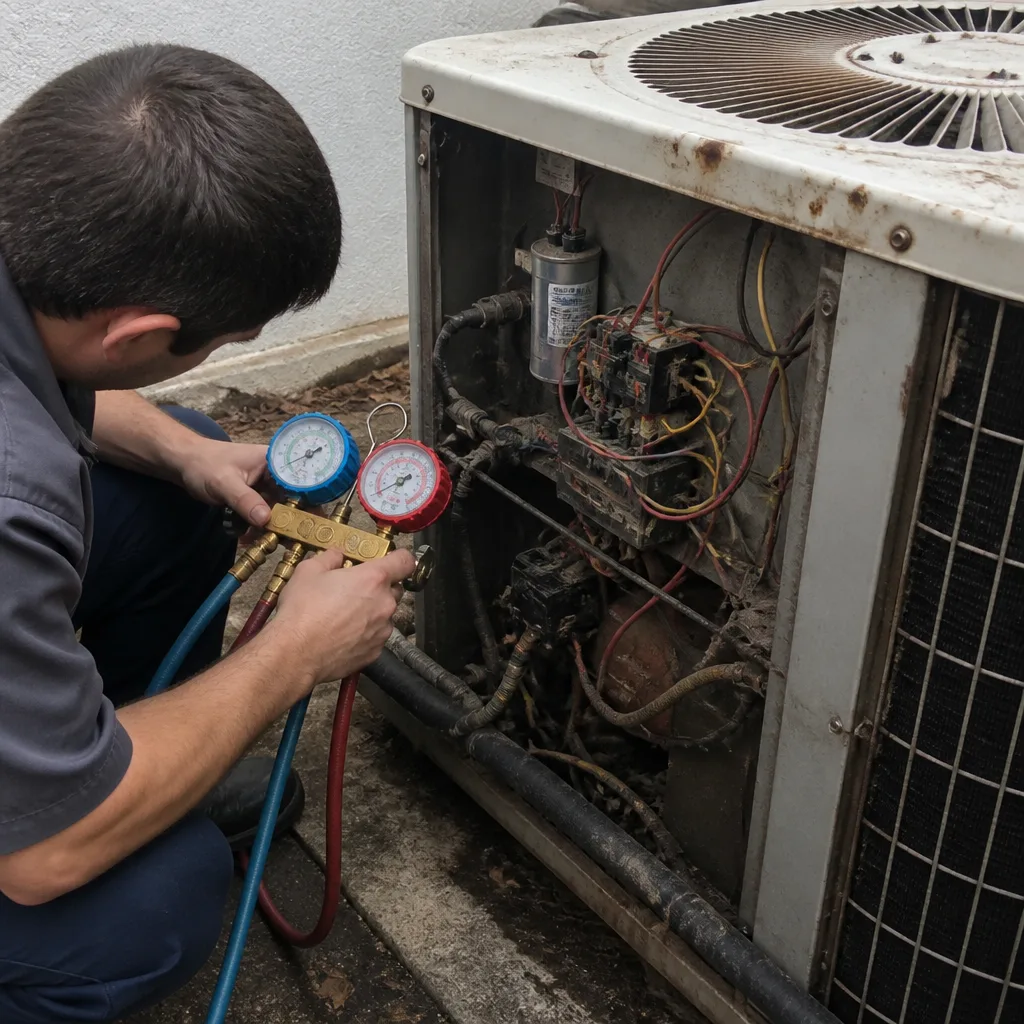 Before
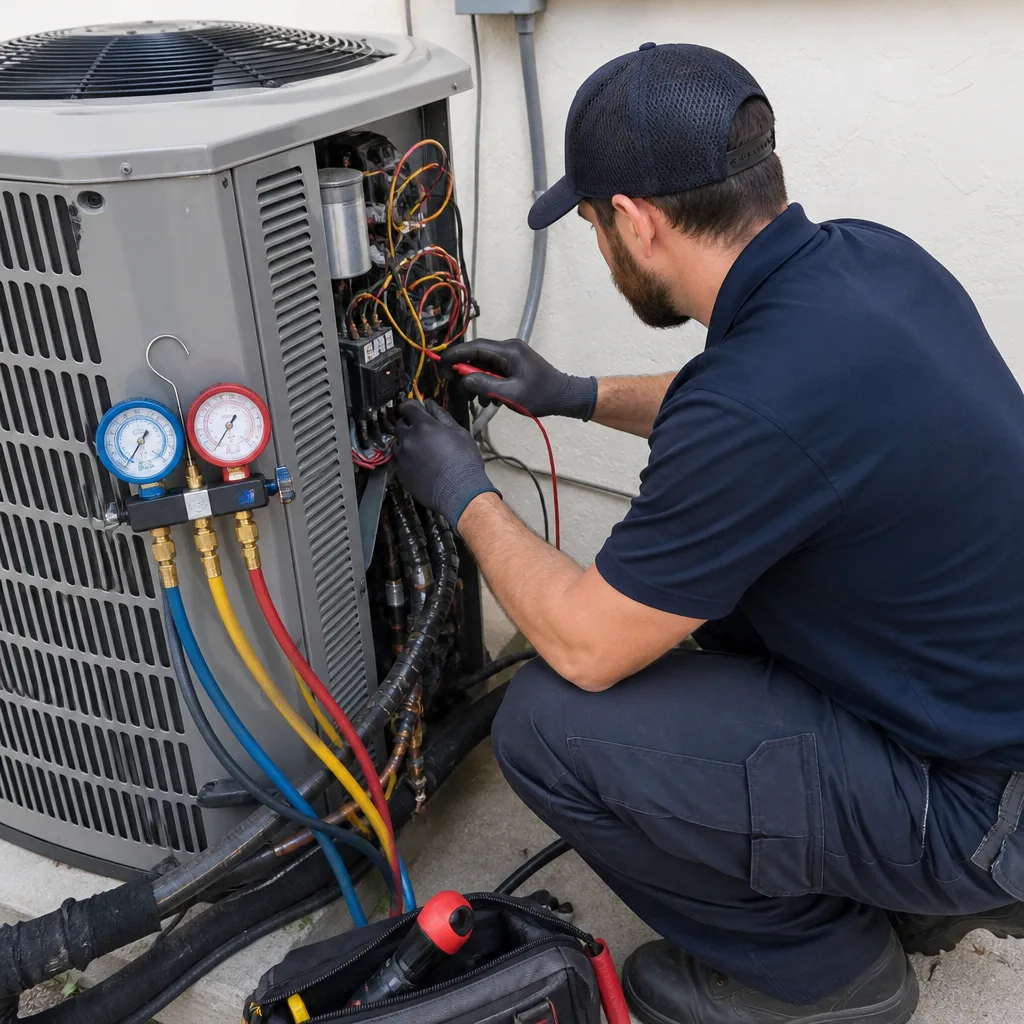 After
AfterReplacement Cost & What’s Included
Most American Standard ductwork repairs in Miami fall between $175 and $765. A simple reseal of a separated joint or a small tear in flex duct runs toward the low end. Replacing a crushed or mold-contaminated section, re-hanging a sagged run, or fabricating a new transition collar lands in the middle to upper range. Replacing a full trunk line goes beyond that, and we’d quote that as a separate scope of work before anything starts.
The price you get from us is the price you pay. It’s written down before a single tool comes out, per The Kingswell Way: say the price before the work, show up in the window given, leave the place cleaner than found, put the guarantee in writing, come back if it fails. Every ductwork repair we install is covered by the 365-Day Done Right Promise. If our repair fails within a year, we return and correct it at no charge. That’s on paper, not a verbal assurance.
Parts and labor are included in the quote. No overtime surcharge, no material markup surprises at the door, no “while we’re at it” add-ons you didn’t approve.
DIY or Call Us?
Here’s the honest truth: ductwork is not a high-voltage or high-tension hazard, so there are things a careful homeowner can safely check. You can feel for air leaks at visible joints, check whether flex duct is sagging or kinked, and inspect the insulation jacket for tears. That’s useful information when you call us.
But the repair itself is another matter. Attic work in a Miami summer is brutal, and the risk of stepping through a ceiling while maneuvering around trusses is real. Proper sealing requires mastic, not just foil tape, and most homeowner repairs don’t address why the duct failed in the first place. If the issue is a disconnected collar, taping it back on without inspecting the rest of the run won’t last. If you want this done once and forgotten, call us at (850) 810-1910. A live person answers, day or night.
FAQs
Flex duct in a Miami attic typically lasts 15 to 20 years, though the insulation jacket and outer vapor barrier often degrade faster than that because of attic heat and humidity. Galvanized rigid duct can last decades if it was sealed properly and the insulation hasn’t been damaged by roof leaks or pests. If your home is 20-plus years old and you’re seeing recurrent issues, a duct replacement may make more sense than repeated patch repairs. Call us for an honest assessment before you keep chasing symptoms.
Yes, most ductwork problems in Miami are repairable, especially tears, loose joints, sagging sections, and small mold-isolated areas. We recommend replacement only when the duct is crushed, the insulation is saturated, or mold has spread through a long run. There’s no commission incentive in what we recommend. Our technicians aren’t paid on what they sell, so the answer you get is based on what’s in your attic, not what’s on a sales sheet.
Most American Standard ductwork repairs in Miami take between one and three hours from arrival to a clean job site. Larger jobs like a full trunk line replacement or re-hanging every run in the attic can take a full day, and we’ll tell you that before we start. The window we give you when you book is the window we keep.
Yes. Our trucks carry flex duct in common diameters, mastic, foil tape, nylon ties, takeoffs, collars, and sheet metal for transitions, so most repairs are completed on the first visit. This applies to American Standard systems as well as Carrier, Trane, and Lennox equipment we service. If your repair calls for a specialized fitting, we can fabricate it the same visit or order it for a next-day return, and we’ll tell you which before any charge is incurred.
Written by Victor Mancini, Owner, Cold Harbour Heating and Air Miami at Cold Harbour Heating and Air Miami, serving Miami and nearby areas.