
Last updated October 16, 2026
 AC repair
 Furnace & heating
 Heat pumps
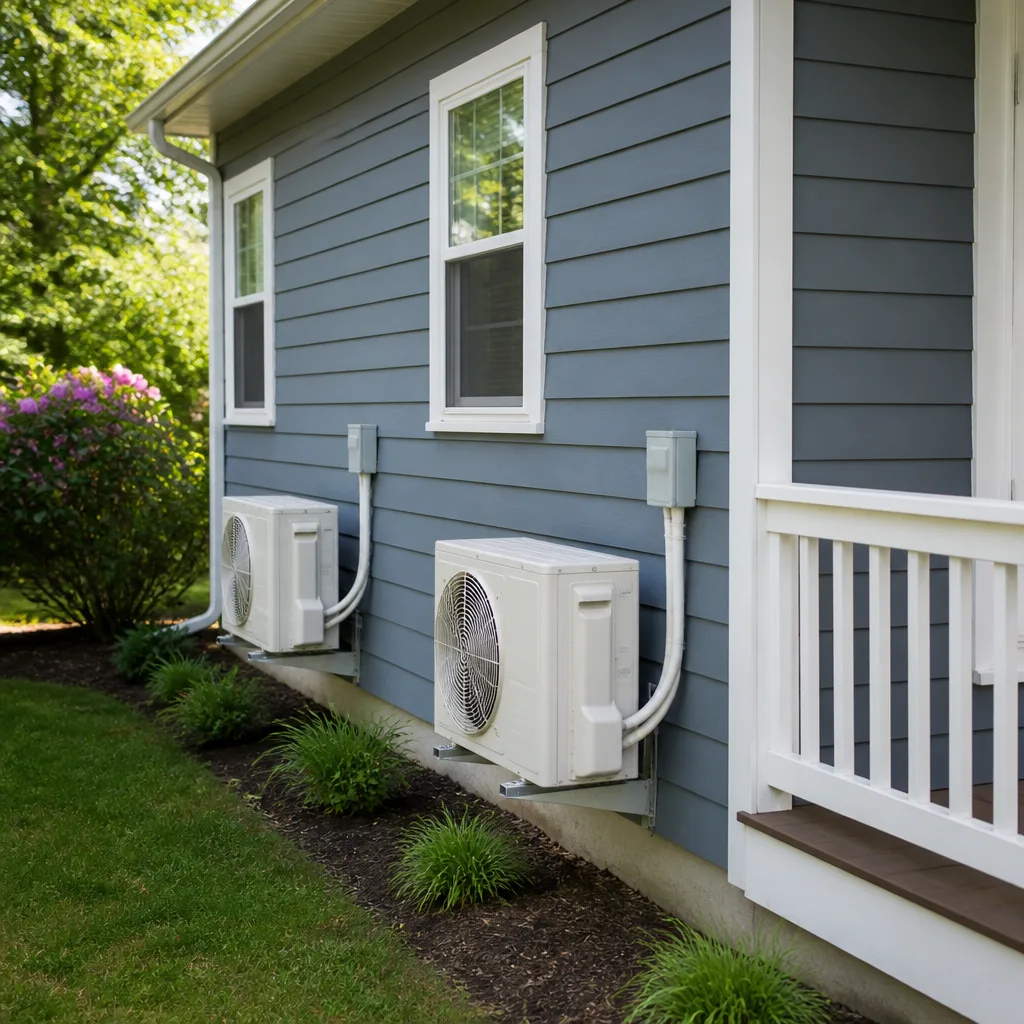 Ductless mini splits
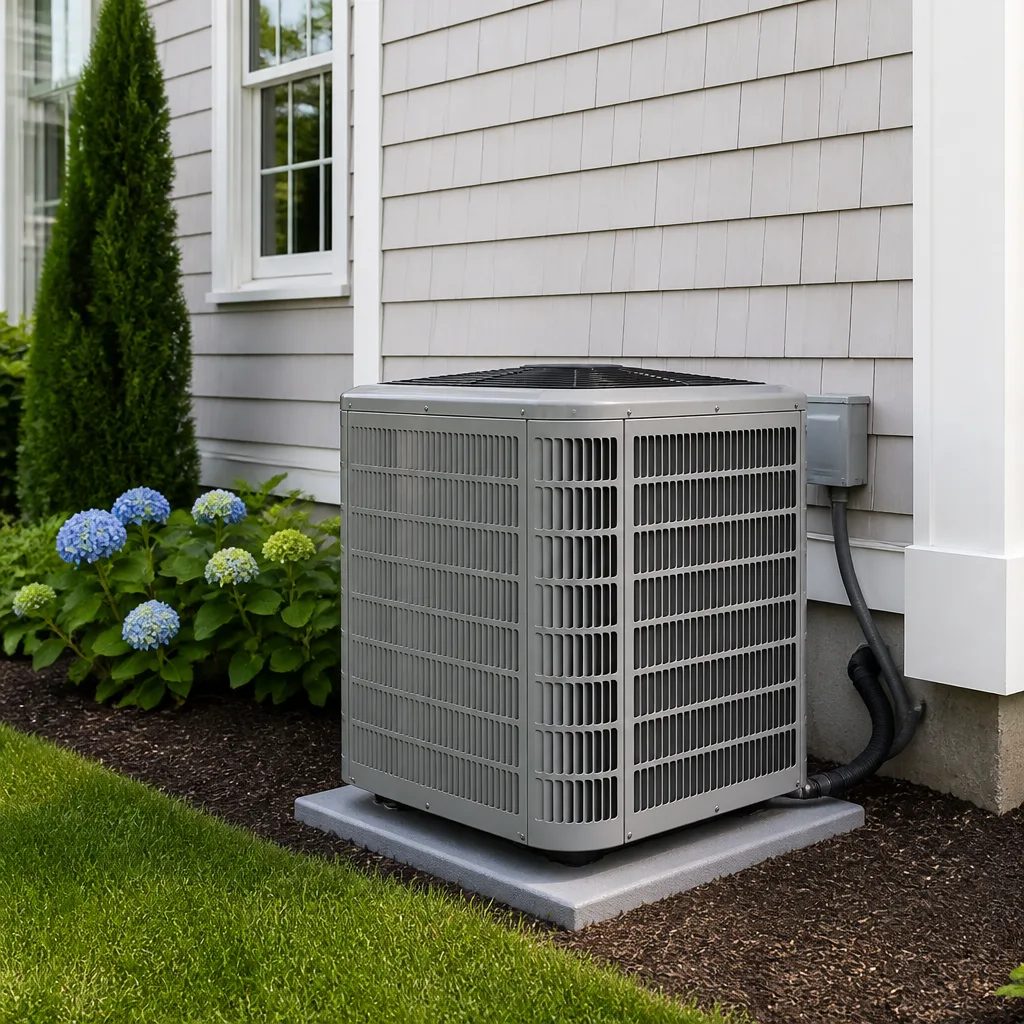 Carrier
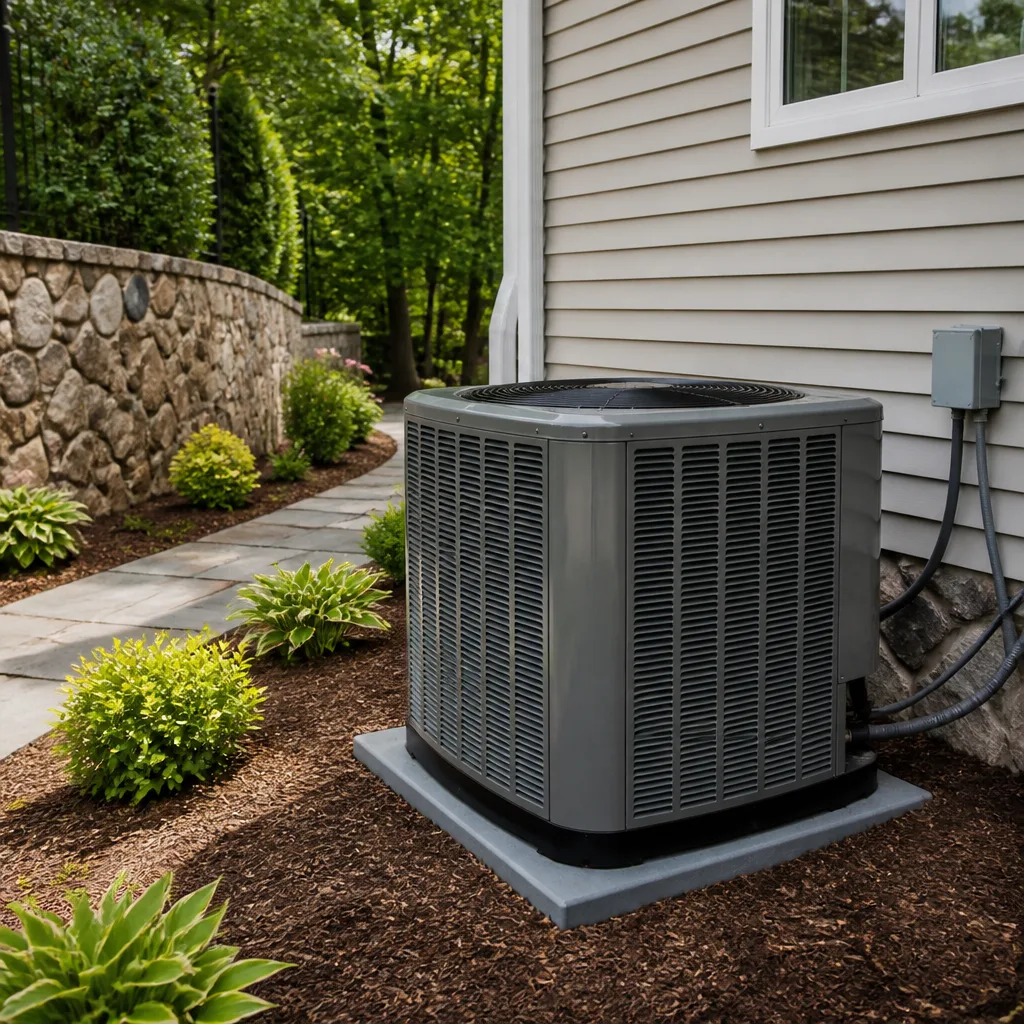 Trane
Trane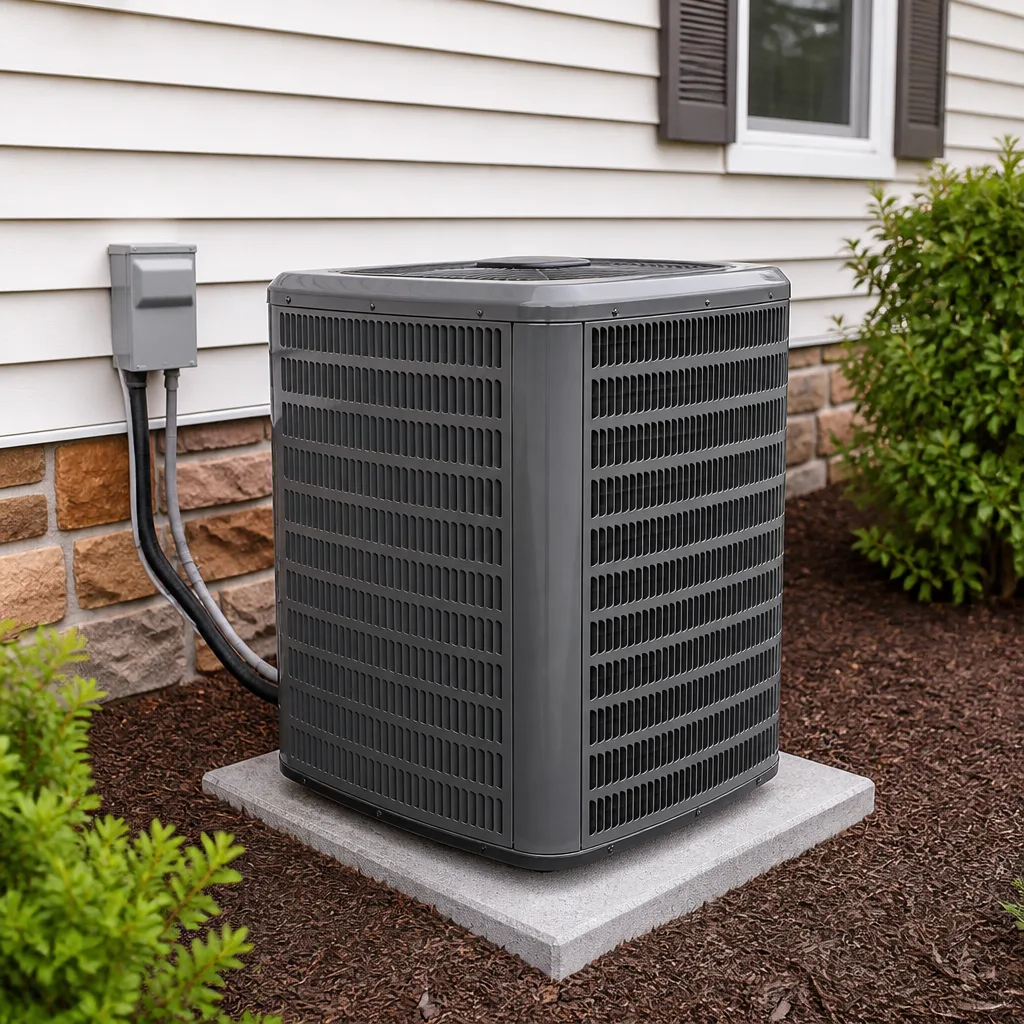 Goodman
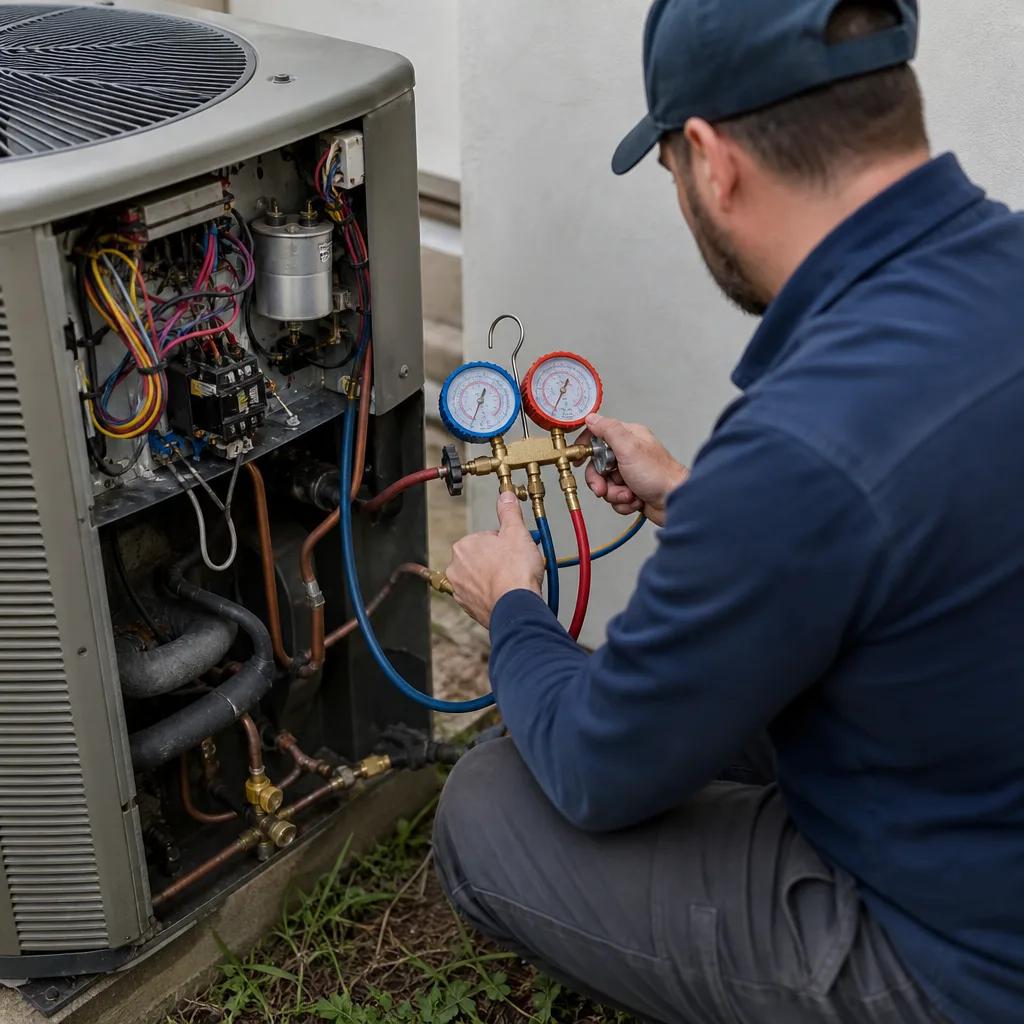
Seasonal tune-up and full diagnostic on your Carrier, Trane, or Goodman system - readings shown to you before any repair is proposed
Diagnosis first, numbers second - you approve the repair price before a single part goes in.
Get your free estimateHVAC Permits, Codes & Inspections in FL: What You Need to Know
Unpermitted HVAC work is one of the top five issues that surface on Miami-area home inspections before sale, and unlike a cosmetic defect, an unpermitted system can force a full re-installation at the seller’s cost just to close the deal. We have watched homeowners eat $6,000 to $12,000 replacements because a previous owner hired a cut-rate contractor who skipped the permit desk. This guide walks through exactly what Florida requires, what Miami-Dade does differently, what inspectors check, and how to protect yourself before you buy, sell, or replace a system; for more guides & resources, see our blog.
Styles & brands we work with
Quick Answer
In Florida, nearly all HVAC equipment replacements and new installations require a mechanical permit, and Miami-Dade County enforces requirements that are significantly stricter than the statewide baseline. The permit exists to confirm the work meets the Florida Building Code and current energy-efficiency standards, and it also creates the public record that protects your insurance claim and resale value. If you are replacing or installing AC equipment in Miami, assume a permit is required until the county tells you otherwise in writing.
Table of Contents
- Florida HVAC Permit Basics: What Requires a Permit
- The Miami-Dade Difference: Why County Rules Are Stricter
- The Codes That Govern Florida HVAC Work
- How to Look Up a Permit on Your Current System
- What Miami Inspectors Actually Check: Rough and Final
- Energy Code Compliance: SEER2, Duct Leakage, and the Blower Door
- What Happens Legally When Work Is Unpermitted
- Common Mistakes to Avoid
- When to Call a Professional
- Frequently Asked Questions
- The Bottom Line
Florida HVAC Permit Basics: What Requires a Permit
Florida’s statewide rule is straightforward in principle: any mechanical work that alters, extends, or replaces a system requires a permit under the Florida Building Code, Mechanical Volume. That covers a full AC replacement, a condenser changeout, an air handler swap, new duct runs, and electrical disconnects serving the equipment. In plain terms, if a contractor is touching refrigerant lines, moving equipment, or running new wiring, the job almost certainly requires a permit.
What surprises many Miami homeowners is that a like-for-like replacement still requires a permit. Swapping a 3-ton Goodman condenser for another 3-ton Goodman condenser feels like a simple exchange, but the county sees it as an equipment change that must be verified against current code. The only work that generally does not require a permit is routine maintenance-coil cleaning, filter changes, capacitor replacement, contactor swaps that do not alter the circuit design, and similar tasks covered in our AC Repair Maintenance Checklist for Miami Homeowners. If we can repair it without moving equipment or opening the refrigerant circuit in a way that changes the system’s configuration, we will tell you plainly and skip the permit. If the job changes the equipment, the duct layout, or the electrical service to the unit, you need the paperwork.
A licensed mechanical contractor in Florida is responsible for pulling that permit, and the permit must be posted at the job site before work begins. Cold Harbour Heating and Air has handled this process in Miami for years, and we pull permits on every job that requires one. If a contractor tells you the permit is optional, that is a red flag we will address in detail below.
The Miami-Dade Difference: Why County Rules Are Stricter
Miami-Dade County operates under its own amendments to the Florida Building Code, and those amendments are among the strictest in the state. There are two big reasons: hurricane wind-load requirements and high-velocity hurricane zone (HVHZ) standards. Miami-Dade sits inside the HVHZ, which means outdoor condenser units must be anchored to withstand wind loads that counties further north never have to consider. The county also requires product approvals for many components, including roofing penetrations, equipment stands, and tie-down systems. A condenser that passes inspection in Tampa may fail in Miami because the mounting hardware has not been approved for the HVHZ.
The county also enforces a separate permitting and inspection pathway. Contractors in Miami-Dade work with the county’s Building Department directly, not through a municipal office, and the county maintains an aggressive inspection schedule for mechanical work. What this means for you as a homeowner is that the contractor you hire has to know Miami-Dade’s amendments, not just the Florida baseline. We routinely see out-of-county contractors underbid local companies and then stall at the permit desk because they did not understand the anchoring requirements for a condenser pad in Kendall or the screw-pattern rules for equipment in Coral Gables. The permit is not a formality here. It is the county checking engineering work, and it takes a contractor who knows the amendments to pass on the first visit.
The Codes That Govern Florida HVAC Work
Four overlapping rulebooks govern HVAC work in Florida, and homeowners who understand them make better repair-versus-replace decisions. The first is the Florida Building Code, Mechanical Volume, which sets installation standards for equipment clearance, condensate drainage, combustion air, refrigerant piping, and electrical disconnects. The second is the Florida Energy Conservation Code, which adopts the International Energy Conservation Code (IECC) with state amendments. The third is the National Electrical Code as adopted by Florida, which governs the wiring and disconnects that power your equipment. The fourth, in Miami-Dade specifically, is the county’s HVHZ amendment package, which adds wind-load and product-approval requirements on top of all of the above.
Here is the part homeowners actually feel in the wallet: the energy code sets minimum efficiency levels, and those minimums change. Right now, Florida requires new residential air conditioners to meet SEER2 efficiency standards, which measure cooling output per unit of energy consumed. As of January 2023, the national minimum for split-system AC units moved to 15.0 SEER2 in southern states, with heat pumps at 14.3 SEER2. When you replace equipment, the new unit generally has to meet current minimums, which is one reason a replacement quote sometimes includes an efficiency upgrade. We walk every replacement customer through what the code requires for their specific home, because a system that meets today’s minimum will pass inspection and a clearance-priced older-stock unit will not; for a broader look at timing your upkeep, see our Seasonal HVAC Care for Miami: Year-Round Homeowner’s Guide.
Duct leakage is the other code item that catches homeowners off guard. In Florida, when new ducts are installed or a certain percentage of existing ducts are replaced, the county may require leakage testing to prove the ducts are sealed to an allowable level. More on that in the inspection section below.
How to Look Up a Permit on Your Current System
If you are buying a home, selling one, or just want to know whether the previous owner pulled a permit for the AC, Miami-Dade makes this searchable online. The county’s Building Department maintains a public permit portal, and you can search by address without creating an account. Here is the process we walk our customers through:
- Go to the Miami-Dade County Building Department website and find the permit search or “Permit Lookup” tool. It is a public database.
- Enter the full property address, including the unit number if it is a condo or duplex. Search results will show all permits associated with that address.
- Filter by permit type. HVAC work will appear under “Mechanical” permits. Look for the permit that matches the age and scope of your current system.
- Check the status. A permit that was “issued” but never “closed” or “finaled” means the work may not have passed final inspection. A permit that shows “closed” with a final inspection date means the county signed off.
- Compare dates. If the condenser’s serial number date is 2019 but the newest mechanical permit on file is from 2006, the current equipment was likely installed without a permit.
If the permit search comes up empty for work you know was done, that is the first question to raise with the seller or with us before you spend money. We can run this check as part of a pre-purchase HVAC evaluation in Miami and give you a plain-English read on what the permit history means for the home’s value.
What Miami Inspectors Actually Check: Rough and Final
A Miami-Dade mechanical inspection usually happens in two stages. The rough inspection occurs before walls are closed up or before the final connection is made, and the final inspection happens after the system is installed and running. Here is what each stage actually covers.
The rough inspection is about what will be hidden after the work is complete. If new ductwork is being installed, the inspector checks duct sizing, support spacing, sealing at joints, and clearance around the air handler. If a new electrical circuit serves the equipment, the inspector verifies conductor sizing, disconnect location, and grounding. In Miami-Dade’s HVHZ, the inspector also checks the condenser pad or stand anchoring and any roof penetrations if the equipment or line set passes through the roof. We have seen rough inspections fail over a missing hurricane strap on a roof curb, even when the mechanical work itself was clean.
The final inspection is a functional check with documentation. The inspector confirms the equipment matches the permit documents, the condensate drain is properly trapped and routed, the refrigerant lines are supported and protected, the disconnect is within sight of the unit, and the thermostat wiring is done to code. If duct leakage testing is required for the project, the inspector reviews the test report rather than testing on-site. The system runs in cooling mode for the inspection, and the inspector verifies the temperature split across the coil. When the final passes, the county closes the permit, and that closure is the legal proof the work was done correctly.
Miami inspectors are thorough, and they do not rubber-stamp anything. A contractor who has worked in this county for years knows the inspectors’ hot buttons. That is experience worth paying for, because a failed inspection means a delay, a re-inspection fee, and your AC sitting unfinished in the Florida heat.
Energy Code Compliance: SEER2, Duct Leakage, and the Blower Door
The Florida Energy Conservation Code is where efficiency rules get enforced, and two requirements drive most HVAC-related compliance: equipment efficiency minimums and duct leakage verification. Understanding both helps you anticipate costs and ask a contractor the right questions before you spend.
Equipment efficiency is measured in SEER2 for cooling and HSPF2 for heat pump heating. Florida’s southern climate zone requires a minimum of 15.0 SEER2 for new split-system air conditioners and 14.3 SEER2 for heat pumps. These are federal minimums adopted into the state code, and Miami-Dade enforces them at the permit and inspection level. When we install a new Trane or Rheem system in Miami, the permit documents list the equipment’s AHRI certification, which proves the efficiency rating is real and not a marketing claim. Some older homes in Miami still run 10 or 12 SEER equipment, and a permit is not generally required to keep running it. The efficiency minimum applies when equipment is replaced, not when it is repaired.
Duct leakage testing is the code requirement that surprises homeowners. When a project involves new ducts or a significant duct replacement, Florida code requires a duct leakage test to verify the system is sealed. The test measures how much conditioned air escapes the ductwork. Florida code generally allows no more than 4 cubic feet per minute of leakage per 100 square feet of conditioned floor area, though local amendments can tighten that figure. A “passing” blower door test means your ducts are tight enough that you are not paying to air-condition your attic. A failing test requires the contractor to find the leaks, seal them, and retest. This is one reason a replacement quote from a reputable Miami HVAC company includes duct sealing: it is not an upsell, it is what the code demands so the job can pass final inspection.
The blower door test itself measures the air leakage of the entire house, not just the ducts. When a Miami inspector requires a whole-house leakage test, it is usually because the project crossed a threshold that triggers more extensive verification, such as a major addition or a full equipment and duct replacement. The result tells you how leaky the building envelope is. From an HVAC perspective, a leaky house means a bigger cooling load, which means a bigger system, which means higher monthly bills. Sealing the envelope and the ducts together is the only way to get the efficiency the equipment was rated for.
What Happens Legally When Work Is Unpermitted
What happens legally when a contractor tells you a permit “isn’t required” for a like-for-like replacement in Miami-Dade? The short answer is they are almost always wrong, and the financial consequences land on you. A like-for-like condenser swap in Miami-Dade is still a mechanical equipment change under county code and still requires a permit-one of the HVAC Warning Signs: A Miami Homeowner’s Reference Guide. If the contractor insists otherwise, walk away.
The consequences of unpermitted HVAC work show up in three places. First, insurance. If your unpermitted AC installation causes a fire, a refrigerant leak, or water damage, your homeowner’s carrier can deny the claim because the work was never inspected. Insurance policies routinely exclude damage resulting from unpermitted work. Second, resale. An unpermitted system is a material defect on a seller’s disclosure, and Miami buyers routinely ask for permit histories during due diligence. If the buyer’s inspector flags the missing permit, the seller may be forced to legalize the installation retroactively, which means opening walls if the county demands it, or replacing the system entirely. Third, municipal enforcement. Miami-Dade can issue a code violation if unpermitted work is discovered, and the violation can carry fines and a requirement to bring the work into compliance.
There is a narrow exception worth knowing about. Miami-Dade does process “as-built” or after-the-fact permits for work done without one, but the process is more expensive and more invasive than pulling the permit the first time. The county will inspect the work as if it were new, which means anything hidden behind drywall may need to be exposed. If you bought a home with unpermitted HVAC work, an after-the-fact permit is the cleanest path to legal compliance, and we can evaluate whether your system would pass today’s codes or whether replacement is the better financial route.
Common Mistakes to Avoid
- Believing a contractor who says a permit is not needed. In Miami-Dade, a mechanical permit is required for nearly all equipment replacements. If a contractor argues otherwise, require the statement in writing and check with the county yourself. In our experience, that written statement never materializes.
- Paying in full before the final inspection passes. A reputable contractor invoices after the county closes the permit, because the job is not legally complete until the final passes. Hold back final payment until you see the closed permit.
- Assuming a low bid includes permit fees. Some Miami contractors price the work low and leave the permit, inspection fees, and drawings out of the quote, then add them later. Ask for a written line item showing permit and inspection costs before you sign.
- Skipping the permit history check before buying. A $50 permit search can reveal a $7,000 problem before you close. We recommend this check on every Miami home purchase, not just older homes.
- Ignoring energy code minimums to save money on the unit. Installing a clearance 14 SEER condenser may save $800 up front and cost you a failed inspection and a replacement under Miami-Dade code. The new unit has to meet current minimums.
- Confusing manufacturer warranty registration with a permit. Registering a Trane or Lennox condenser for its warranty is a paperwork step that has nothing to do with county permitting. Both matter, but only the permit protects your insurance and resale.
- Replacing equipment without checking the duct condition. If the new high-efficiency system is connected to leaky old ductwork, the project may fail its leakage test and you will pay for sealing mid-project. Include duct evaluation in the scope before work starts.
When to Call a Professional
You should call a licensed HVAC contractor for any work that requires a permit, which in Miami-Dade means most equipment replacements, new installations, duct modifications, and electrical service changes to HVAC equipment. If a home you are buying shows no mechanical permit matching the AC’s age, you should call us to evaluate whether the system can be legalized. If the county has flagged your property for unpermitted work, you need a contractor who has done after-the-fact permit work in Miami-Dade before. And if you are planning a replacement and want the permit, inspection, and warranty paperwork handled correctly the first time, that is exactly the job we do. Cold Harbour Heating and Air Miami offers free estimates in Miami, call (850) 810-1910 and we will walk you through the permit requirements for your specific project.
Frequently Asked Questions
Yes, a mechanical permit is required for almost all AC replacements in Miami-Dade County, including like-for-like equipment swaps. The permit ensures the new equipment meets current Florida Building Code and energy-efficiency minimums, and it creates the public record that protects your insurance claim and resale value. Call (850) 810-1910 for a free estimate that includes the full permit process.
Mechanical permit fees in Miami-Dade vary by project valuation and equipment type, but most residential HVAC replacement permits fall in the $150 to $500 range, not including drawings or inspection fees. Your contractor should list the permit and inspection costs as a line item in the written price before you sign. We include permit fees in every replacement quote so there are no surprises at the door.
Florida issues mechanical permits through local building departments, and Miami-Dade’s Building Department applies stricter HVHZ amendments than most of the state, including wind-load anchoring for outdoor units and product-approval requirements. A contractor licensed for Florida but inexperienced with Miami-Dade amendments may pass inspection elsewhere and fail here. Our team handles Miami-Dade permits regularly and knows what the county inspectors look for.
Yes, you can sell, but the unpermitted work must be disclosed, and buyers commonly require correction before closing, which can mean retroactive permitting or full replacement at your cost. Unpermitted HVAC work is one of the most common deal-killers on Miami home inspections. If you need the system legalized before listing, call us to evaluate whether it will pass current codes or needs replacement.
The contractor can be fined and disciplined by the county and state licensing board, but the unpaid penalty risk belongs to the homeowner, who may face denied insurance claims, a code violation, and an after-the-fact permit at higher cost. In Miami-Dade, contractors are required to pull the permit before work begins, and a contractor who skips this step is cutting a corner you will pay for later. We pull permits on every job that requires one.
Yes, a ductless mini-split installation requires a mechanical and electrical permit in Florida because it involves new refrigerant lines, electrical service, and structural mounting. In Miami-Dade, the outdoor unit must also meet HVHZ anchoring requirements. Our team handles mini-split permits in Miami as part of every AC installation we complete.
Most straightforward residential mechanical permits in Miami-Dade are issued within a few days to two weeks, depending on project complexity and county workload. Full system replacements with new ductwork and electrical changes may take longer if plan review is required. We will give you a realistic timeline during the estimate so you know when to expect the crew and the inspector.
Yes, if a repair we complete fails within 365 days, our Cold Harbour Heating and Air Miami home team returns and corrects the work at no charge, and if the failure relates to a code or permit requirement we should have addressed, we correct that too. The guarantee is written on every repair before we leave the job site. For furnace-specific concerns, see our furnace repair in Miami page.
The Bottom Line
HVAC permits in Florida are not bureaucratic box-checking. They are the legal mechanism that ties your equipment to building code, energy standards, insurance coverage, and resale value. In Miami-Dade, the requirements are stricter than the statewide baseline, and the inspectors enforce them. Before you replace a system, buy a home, or list one for sale, check the permit history, know what code requires, and hire a contractor who handles Miami-Dade permits every week. It costs less to do it right the first time. For a free estimate on AC repair in Miami or any replacement work with the permit handled properly, call Cold Harbour Heating and Air at (850) 810-1910 and we will walk you through it in plain English.
Written by Victor Mancini, Owner at Cold Harbour Heating and Air Miami, serving Miami since 2003.
See the difference
 Before
 After
After Before
 After
After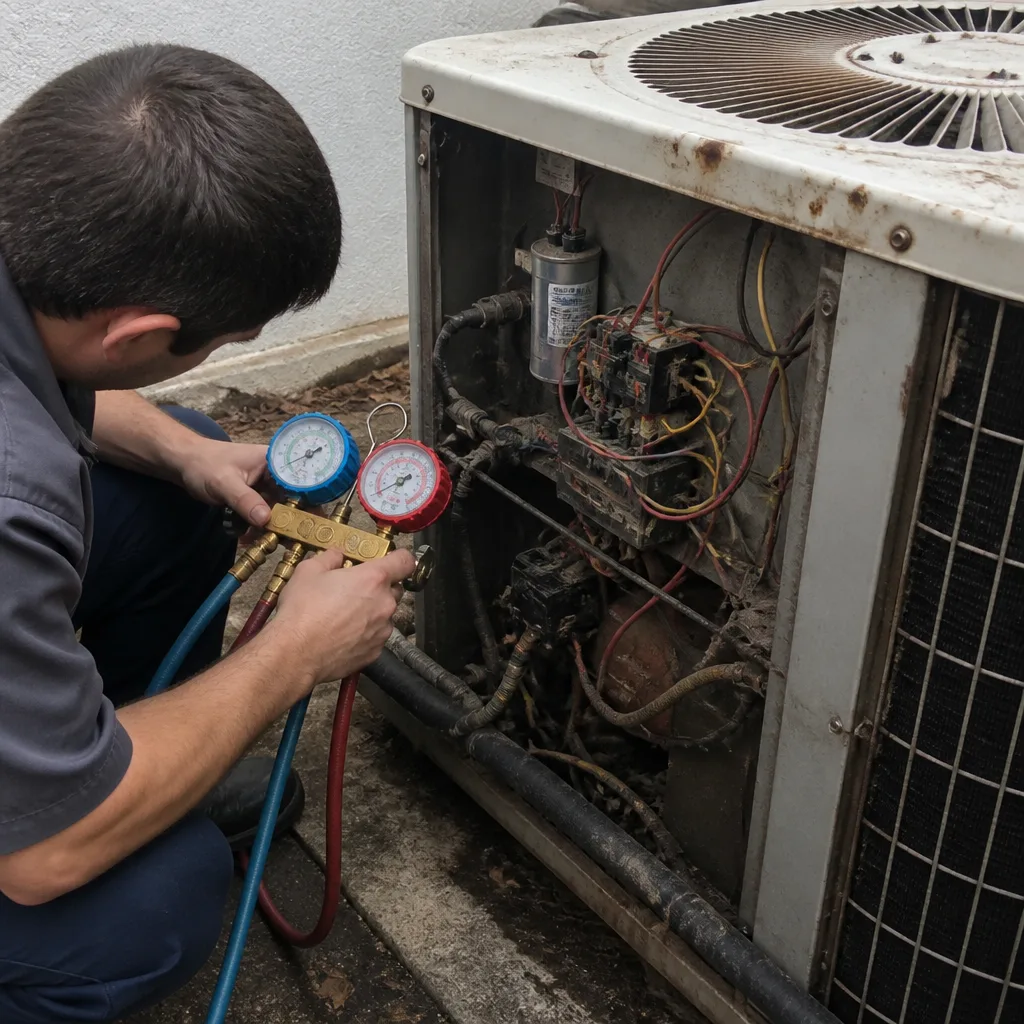 Before
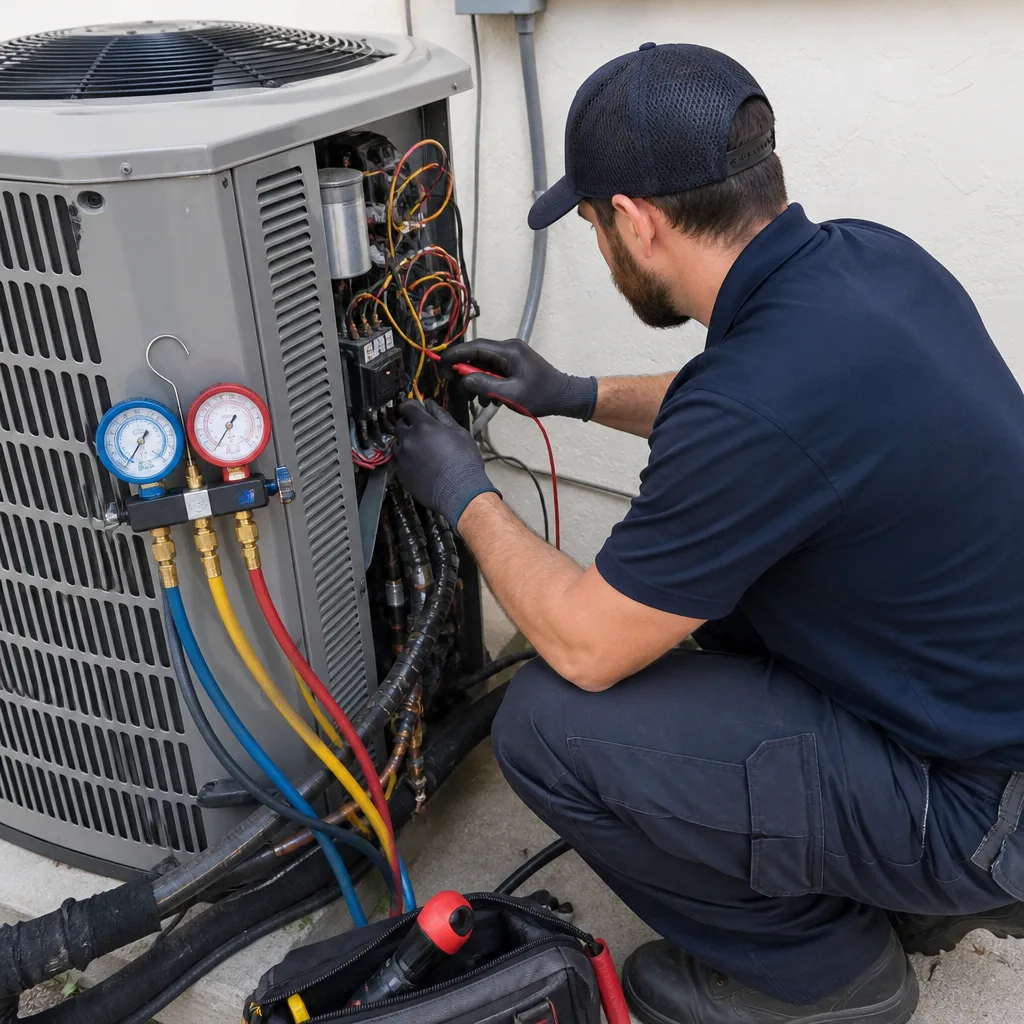 After
After